
St Hilda’s Grant
Money invested after the closure of St Hilda’s, Oxgangs, and the sale of the building, is now used to support mission across Edinburgh Diocese. Grants of up to £5000 are available to support work that makes a positive difference in people’s lives through a congregation’s mission and evangelism.
The Mission and Ministry Grants Committee meets four times a year, in the first weeks of March, June, September, and December, to consider applications for the St Hilda’s Grant, the Youth & Children’s Grant, and the CMD Grant. An application to the St Hilda’s Fund is likely to be more successful when you discuss your proposal with the DMMC Convenor; therefore, application forms are available via the DMMC Team. Completed forms should be returned to the DMMC Team by 25 February, May, August, or November. Any forms submitted after this will be considered at the following meeting.
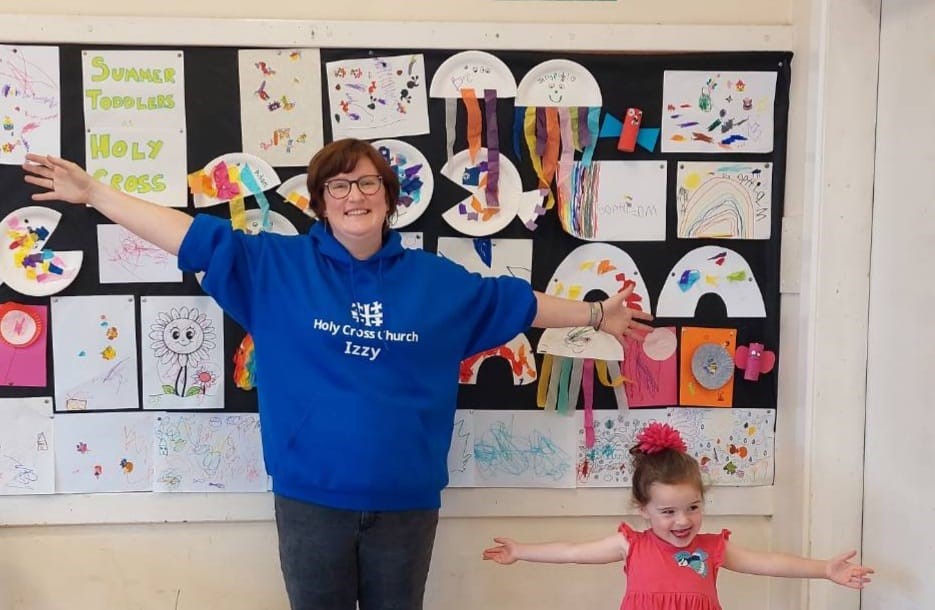
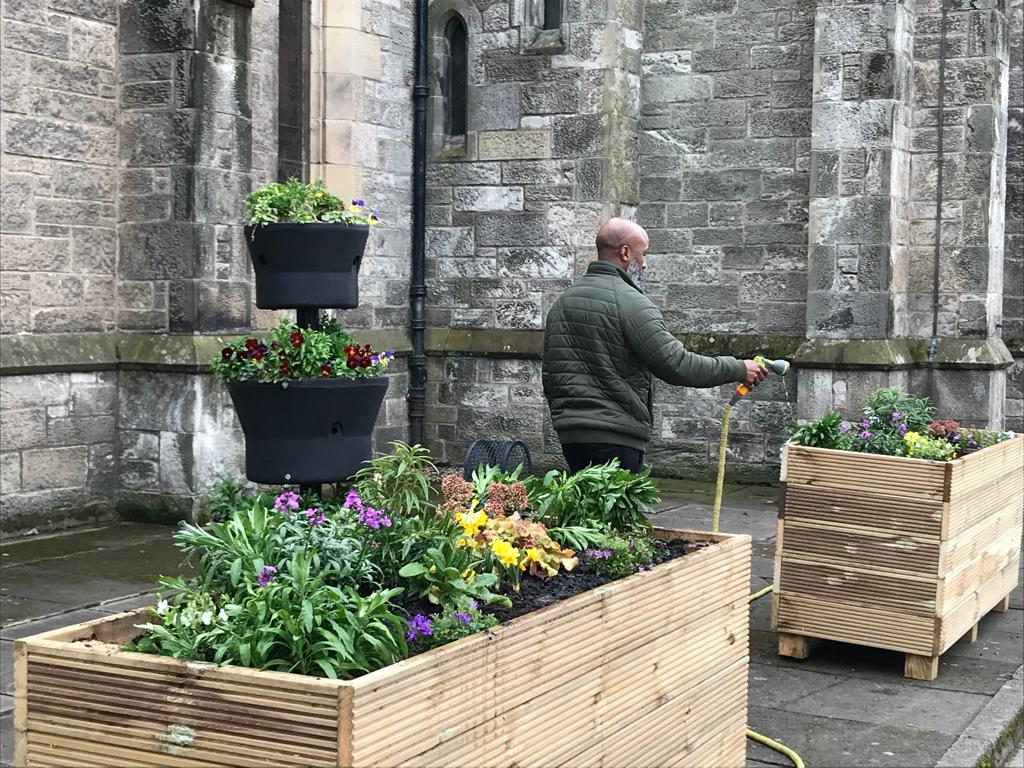
Here are just a few of the projects supported by the St Hilda’s Grant.


Here are some points to think about as you consider a St Hilda’s Grant application:
- Smaller congregations, where finances are tight, are particularly encouraged to apply.
- You will be asked to submit your Mission Plan alongside your application to ensure the work will be grounded in the overall vision and mission of your congregation.
- If you receive a grant, further applications to the St Hilda’s Fund will not automatically be successful. If you know your project will require ongoing financial support, plan from the outset how you will address this and seek advice from the Convenor of DMMC.
- If you receive a grant, someone from your church will be expected to do a brief presentation to Diocesan Synod to show the impact of your project and inspire others.
Projects which also fulfil one or more of the following are most likely to succeed:
- A high level of commitment to the project by the congregation e.g. by the involvement of congregation members with the proposal, the planning and in financial giving.
- A project in partnership with other local organisations or other congregations (especially ecumenically).
- A level of ‘matched funding’ by the church, individuals or other sources.
- An application where questions of future development and sustainability are already being considered and addressed (such as ongoing funding).